

The Importance of Formative Assessments in Student Learning
- February 4, 2026
In the realm of education, assessments play a crucial role in understanding what students have learned and how well they have grasped the material. Among these, formative assessments stand out as powerful tools that not only measure learning progress but also actively contribute to enhancing it. This blog explores the significance of formative assessments in student learning, highlighting their benefits, implementation strategies, and impact on educational outcomes.
What are Formative Assessments?
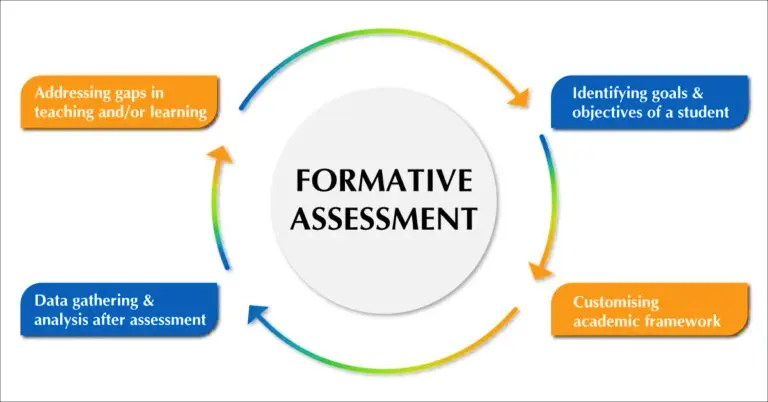
Formative assessments are ongoing evaluations that occur throughout a learning process, providing feedback to both teachers and students to improve understanding and performance. Unlike summative assessments, which typically occur at the end of a unit or course to evaluate learning outcomes, formative assessments are diagnostic and formative in nature.
Benefits of Formative Assessments
- Informative Feedback: Formative assessments provide timely feedback that helps students identify strengths and weaknesses in their learning. This feedback guides them in focusing on areas that need improvement and reinforcing concepts they have mastered.
- Adjustment of Instruction: Teachers use formative assessment data to adjust their instructional strategies and interventions. By understanding where students are struggling, educators can tailor their teaching methods to better meet the needs of diverse learners.
- Promotion of Active Learning: Engaging students in formative assessments encourages active participation and critical thinking. Activities such as quizzes, discussions, and peer assessments promote deeper engagement with the material and foster a collaborative learning environment.
- Monitoring Student Progress: Continuous monitoring through formative assessments allows teachers to track student progress over time. This ongoing assessment helps identify learning gaps early on and prevents students from falling behind.
- Enhancement of Metacognitive Skills: Formative assessments promote metacognition—the awareness and understanding of one's own thought processes. Students learn to self-assess their learning progress, set learning goals, and develop strategies to achieve them.
Effective Implementation Strategies
- Clear Learning Objectives: Align formative assessments with specific learning objectives and desired outcomes to ensure relevance and focus.
- Variety of Assessment Methods: Utilize a variety of assessment methods, such as quizzes, class discussions, concept maps, and peer evaluations, to cater to different learning styles and preferences.
- Timely Feedback: Provide prompt and constructive feedback that is actionable and supports students in improving their understanding and performance.
- Student Involvement: Involve students in the assessment process by encouraging self-assessment, peer assessment, and reflection on their learning progress.
- Use of Technology: Incorporate educational technology tools and platforms that facilitate formative assessments, such as online quizzes, interactive simulations, and learning management systems.
Impact on Educational Outcomes
Formative assessments contribute to improved educational outcomes by:
- Increasing Academic Achievement: Students who receive regular feedback and engage in formative assessments demonstrate higher academic achievement and mastery of learning objectives.
- Closing Achievement Gaps: Targeted interventions based on formative assessment data help close achievement gaps and ensure equitable learning opportunities for all students.
- Fostering a Growth Mindset: Emphasizing improvement and learning from mistakes through formative assessments cultivates a growth mindset among students, promoting resilience and persistence in their academic pursuits.
In conclusion, formative assessments play a vital role in promoting student learning and achievement by providing timely feedback, guiding instructional practices, and fostering a culture of continuous improvement. By integrating formative assessments effectively into teaching practices, educators can empower students to become active participants in their own learning journey. Embrace the power of formative assessments to enhance educational experiences, support student growth, and ultimately, prepare students for success in an ever-changing world.